




What Makes Evaporative Cooling Pads a 2026 Market Hit? Agriculture, Livestock & Industry Cases Tell You
2026-02-25 09:57
What Makes Evaporative Cooling Pads a 2026 Market Hit? Agriculture, Livestock & Industry Cases Tell You
As global temperatures rise and sustainability mandates tighten, the evaporative cooling pad market is booming—projected to grow at a 6.6% CAGR from 2025 to 2031, reaching USD 10.65 billion by 2031. Cost-effective and energy-saving, evaporative cooling pads (wet curtains) have expanded beyond single sectors, widely used in agriculture, livestock, industry, and data centers worldwide. Real-world overseas cases highlight their remarkable value, driving upgrades in the cooling pad production line industry.
In agriculture, evaporative cooling pads stabilize greenhouse yields amid extreme heat. A hydroponic tomato greenhouse in southern Arizona, USA—a semi-arid region with average summer temperatures of 35℃—adopted pad-and-fan evaporative cooling systems. The pads reduced indoor temperatures to 27–30℃, controlled humidity at 60–70%, and optimized water use efficiency, matching the water-saving performance of sprinkler irrigation systems while boosting tomato yields by 10% annually. In a Scandinavian flower nursery, the pads solved high-temperature seedling burning issues, lifting survival rates from 78% to 93% and ensuring export-grade flower quality.
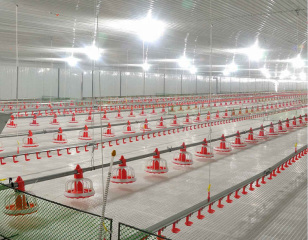
The livestock industry relies heavily on evaporative cooling pads to combat heat stress. Arcobaleno Cow Farm in Modena, Italy—supplying milk for Parmigiano Reggiano cheese—faced 34–36℃ summer temperatures, leading to increased cattle mortality and reduced milk production. After installing evaporative cooling pads, the farm stabilized barn temperatures at 25–27℃, boosting cattle feed intake and milk production, while reducing mortality rates significantly over three consecutive years. A pig farm in Portugal’s Alentejo region used evaporative cooling pads to eliminate summer heat stress, with simulations showing 80% efficiency in mitigating thermal stress and improving feed conversion rates.
In industry, the pads are a cost-effective alternative to traditional air conditioning. Trax Apparel, a garment factory in Phnom Penh, Cambodia, integrated evaporative cooling pads with high-efficiency fans to address 37–38℃ outdoor temperatures. The system cooled workshop temperatures to 28–30℃, improved worker comfort, and reduced energy consumption by 30–50% compared to old ventilation systems, cutting annual electricity costs significantly. A Vietnam steel processing plant used evaporative cooling pads to reduce车间 temperatures from 42℃ to 30℃ in 15 minutes, lowering equipment failure rates by 30% and increasing production efficiency by 15%.
High-tech sectors also benefit from evaporative cooling pads. Green House Data’s data center in Cheyenne, USA, integrated the pads with indirect evaporative cooling systems, achieving an impressive PUE of 1.14—well below industry averages—and saving over 30% in annual cooling energy costs. NASA’s modular supercomputer facility in California uses evaporative cooling pads for thermal management, maintaining a PUE of ~1.03 while supporting high-performance computing operations efficiently.
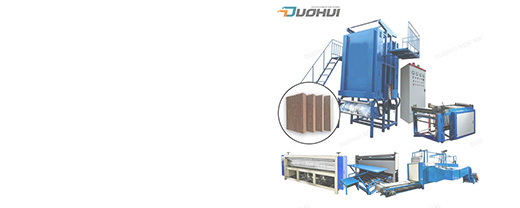
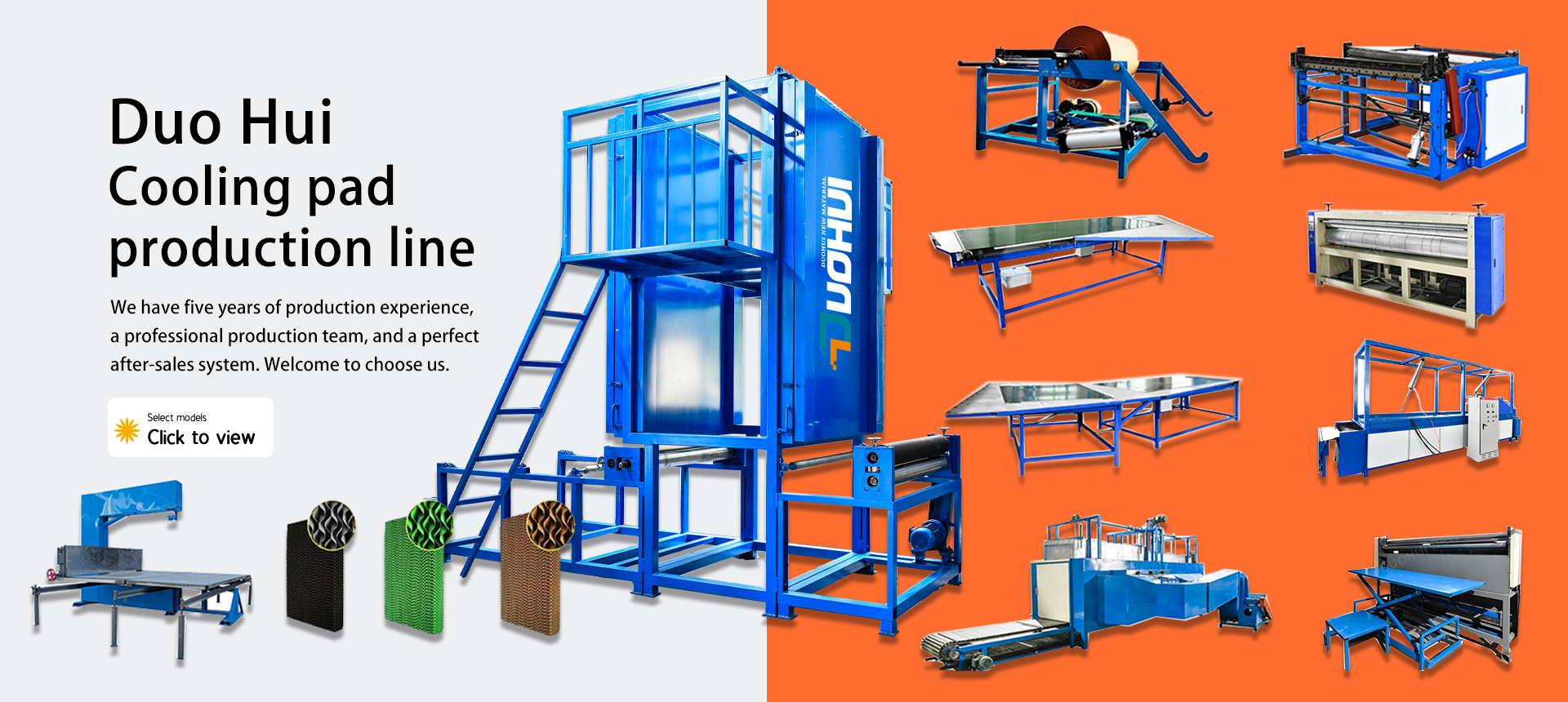
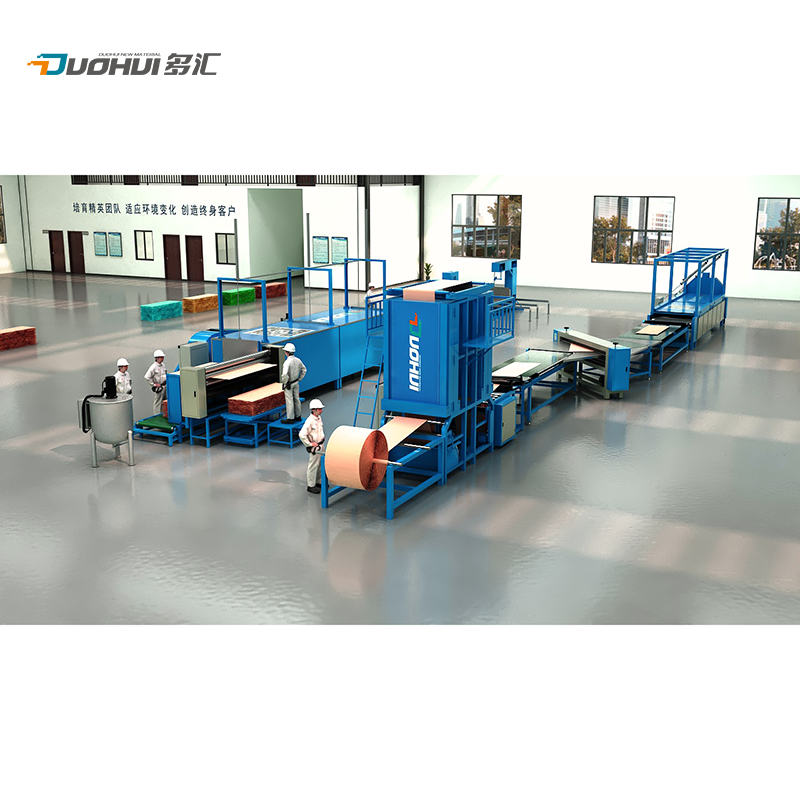
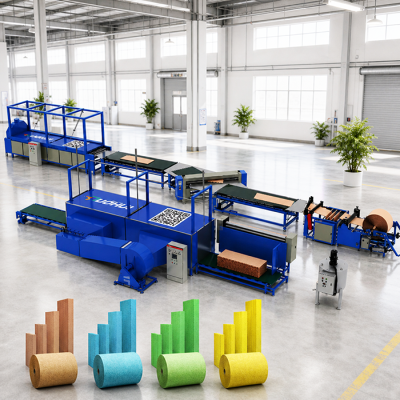
Industry insiders note that widespread global adoption of evaporative cooling pads is driving upgrades in the cooling pad production line, with more manufacturers adopting fully automatic equipment to improve product consistency and capacity. As global demand for eco-friendly, energy-saving cooling grows, evaporative cooling pads—backed by advanced production lines—will remain a 2026 market hit, delivering tangible benefits across overseas agriculture, livestock, and industry.
Related News
More >-
![Thailand Customer Successfully Installs Cooling Pad Production Line and Produces High-Quality Cooling Pads]()
Thailand Customer Successfully Installs Cooling Pad Production Line and Produces High-Quality Cooling Pads
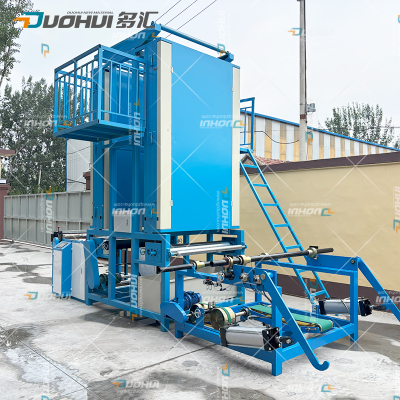
We are pleased to share another successful customer project. Recently, a Cooling Pad Production Line supplied by Weifang Duohui Intelligent Manufacturing Technology Co., Ltd. was successfully installed and commissioned at a customer's factory in Thailand.
-
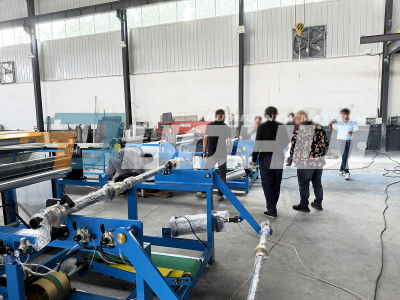
![Philippine Customers Visit Our Factory to Inspect Cooling Pad Production Line and Discuss In-depth Cooperation]()
Philippine Customers Visit Our Factory to Inspect Cooling Pad Production Line and Discuss In-depth Cooperation
Philippine Customers Visit Our Factory to Inspect Cooling Pad Production Line and Discuss In-depth Cooperation
-
![Integrated Manufacturing & Trading Direct Supply · Automated Production Line with Solid Quality Assurance]()
Integrated Manufacturing & Trading Direct Supply · Automated Production Line with Solid Quality Assurance
Integrated Manufacturing & Trading Direct Supply · Automated Production Line with Solid Quality Assurance
-
![Air cooler cooling pad making machine production line]()
Air cooler cooling pad making machine production line
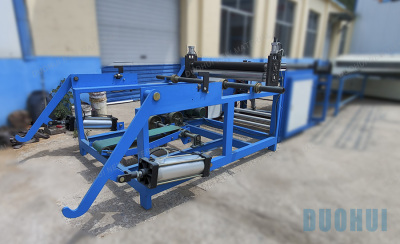
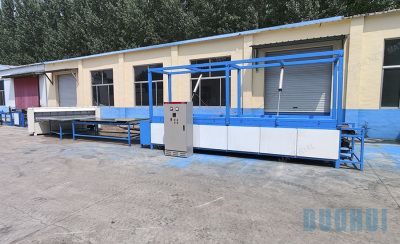
A high-quality cooling pad making machine production line is a specialized manufacturing setup designed to efficiently produce cooling pads used in various applications such as evaporative cooling systems for greenhouses, poultry farms, industrial buildings, and commercial spaces.
-
![High quality cooling pad making machine production line]()
High quality cooling pad making machine production line
A high-quality cooling pad making machine production line is a specialized manufacturing setup designed to efficiently produce cooling pads used in various applications such as evaporative cooling systems for greenhouses, poultry farms, industrial buildings, and commercial spaces.
-
![Honey Comb Cooling Pad Production Line Evaporative Cooling Pad Making Machine]()
Honey Comb Cooling Pad Production Line Evaporative Cooling Pad Making Machine
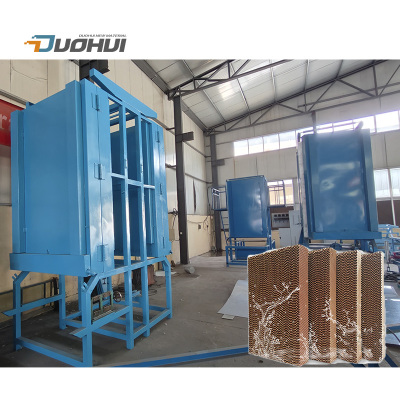
A honeycomb cooling pad production line encompasses machinery and processes specifically designed for manufacturing honeycomb or cellulous cooling pads used in evaporative cooling systems.
-
![Water evaporative cooling pad production line cooling pad making machine]()
Water evaporative cooling pad production line cooling pad making machine
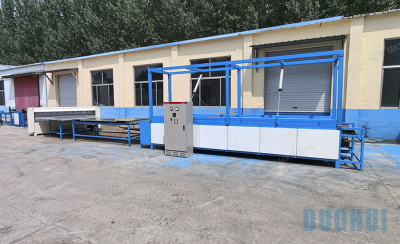
A water evaporative cooling pad production line involves machinery and processes specifically designed for manufacturing cooling pads used in evaporative cooling systems.
-
![Supplier of evaporative cellulose cooling pad production line]()
Supplier of evaporative cellulose cooling pad production line
Finding a supplier for an evaporative cellulose cooling pad production line can involve various factors such as location, quality, price, and after-sales service.
Get the latest price? We'll respond as soon as possible(within 12 hours)