



Evaporative Cooling Pad: How to Choose the Right Product and Supplier?
2026-10-10 16:45
Evaporative Cooling Pad: How to Choose the Right Product and Supplier?
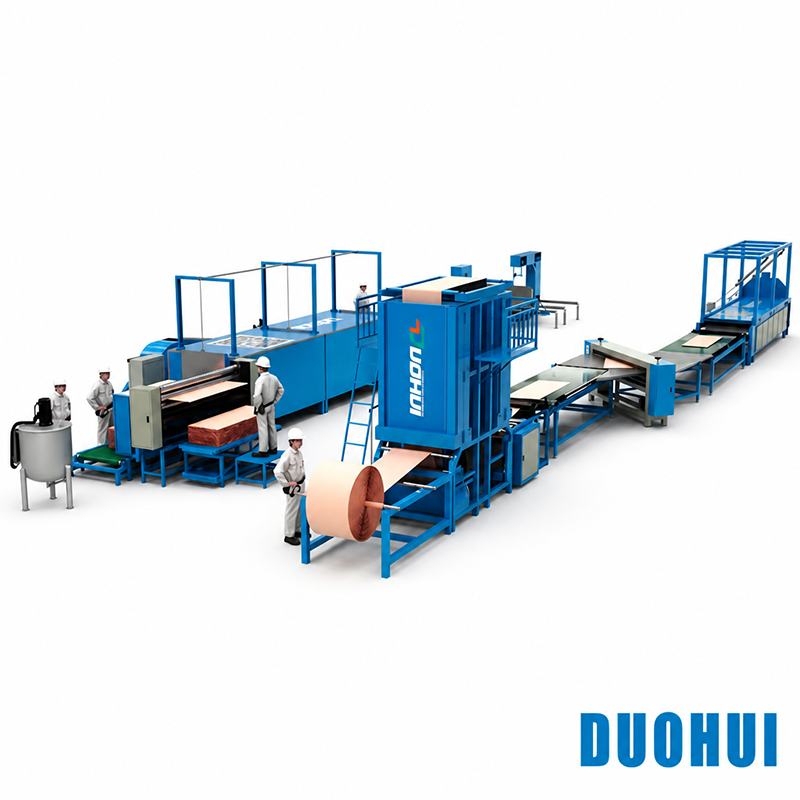
An evaporative cooling pad is an efficient cooling component widely used in poultry farms, greenhouses, livestock buildings, industrial workshops, and commercial ventilation systems. By using water evaporation to reduce incoming air temperature, it provides a practical cooling solution for facilities that require continuous air circulation and temperature control.
For buyers, choosing the right evaporative cooling pad means balancing cooling performance, durability, operating costs, and purchase price. For distributors, engineering contractors, and equipment manufacturers, finding a reliable evaporative cooling pad manufacturer is equally important for maintaining product quality and securing a stable supply.
This guide explains how evaporative cooling pads work, what buyers should consider before purchasing, and how to select a suitable supplier.
1. What Is an Evaporative Cooling Pad?
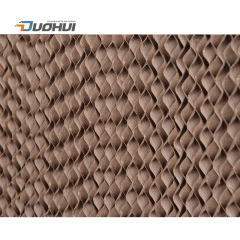
An evaporative cooling pad is a porous cooling medium installed in an evaporative cooling system. It is commonly manufactured from specially treated cellulose paper arranged in a corrugated structure to provide a large surface area for water evaporation.
When hot outdoor air passes through the wet cooling pad, some of the water evaporates and absorbs heat from the air. The resulting air temperature can decrease before the air enters the building.
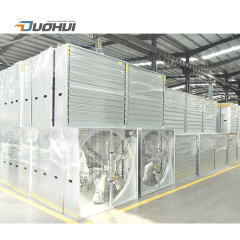
A complete evaporative cooling system generally includes cooling pads, a water circulation system, fans, a water distribution system, and supporting controls.
Common applications include:
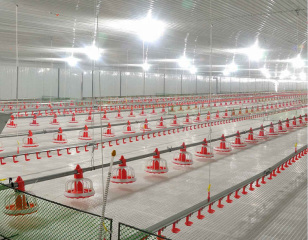
Poultry houses and livestock farms
Greenhouses and horticultural facilities
Industrial factories and workshops
Warehouses and agricultural buildings
Commercial ventilation and air-cooling systems
Actual cooling performance depends on outdoor temperature, relative humidity, airflow, pad thickness, water distribution, and system design.
2. How Does an Evaporative Cooling Pad Work?
The working principle of an evaporative cooling pad is based on the natural process of water evaporation.
First, a water circulation system distributes water over the surface of the pad. Next, fans draw hot outdoor air through the wet pad. As the air passes through the corrugated material, a portion of the water evaporates and absorbs heat.
The cooled air then enters the building, helping reduce indoor temperatures when the system is properly designed.
Compared with conventional mechanical refrigeration, evaporative cooling can consume less energy in suitable climates. However, its effectiveness decreases when outdoor humidity is high, so buyers should evaluate local climate conditions before choosing a cooling solution.
3. What Are the Benefits of High-Quality Evaporative Cooling Pads?
When selecting an evaporative cooling pad for sale, buyers should look beyond the initial price and evaluate the product's overall performance.
Effective Cooling Performance
A properly designed cooling pad provides a large evaporation surface and supports effective heat transfer. Suitable pad thickness, flute design, and airflow resistance help determine the performance of the complete cooling system.
Energy-Efficient Operation
Evaporative cooling systems can reduce the need for energy-intensive refrigeration in appropriate environments. Actual energy savings depend on fan selection, system design, local climate, and operating practices.
Wide Range of Applications
Evaporative cooling pads are widely used in poultry farming, greenhouses, livestock facilities, and industrial ventilation systems.
Practical Maintenance
Routine cleaning, water-quality management, and proper drainage help maintain cooling performance and extend service life.
Flexible Product Specifications
Different facilities require different pad dimensions and configurations. Buyers may need customized height, width, thickness, flute angles, or frame arrangements to match existing cooling equipment.
4. How to Choose the Right Evaporative Cooling Pad
Before purchasing an evaporative cooling pad, buyers should compare several important product characteristics.
Material Quality
Cellulose paper quality, resin treatment, and corrugated construction affect water absorption, structural stability, and durability. Ask the supplier for technical specifications and product samples when appropriate.
Pad Thickness and Flute Design
Common configurations include different thicknesses and flute patterns designed to balance evaporation efficiency and airflow resistance. The best option depends on the fan system, required airflow, and cooling objectives.
Dimensions and Customization
Measure the available installation space carefully. For replacement projects, confirm the exact height, width, thickness, frame dimensions, and water distribution arrangement.
Water Resistance and Service Life
A suitable cooling pad should maintain its structure under normal wet operating conditions. Service life also depends on water quality, maintenance, operating hours, and environmental conditions.
Cooling System Compatibility
An evaporative cooling pad must work with the building's ventilation fans and water circulation system. An unsuitable pad can create excessive airflow resistance or uneven water distribution.
5. Evaporative Cooling Pad Price: What Affects the Cost?
The evaporative cooling pad price varies according to the material, dimensions, configuration, order quantity, and supplier.
Major cost factors include:
Cellulose paper quality and density
Pad thickness and flute configuration
Height, width, and customized dimensions
Edge treatment, resin treatment, or optional frames
Order quantity and packaging requirements
Shipping costs and destination
Custom manufacturing and quality inspection requirements
For wholesale buyers, comparing the price per unit or per square meter can be useful, but the comparison should be based on equivalent specifications.
A lower purchase price may not represent better value if the pad has inconsistent construction, poor water distribution, or a shorter service life.
For an accurate quotation, provide the required dimensions, specifications, estimated order quantity, destination country, and intended application.
6. How to Choose a Reliable Evaporative Cooling Pad Manufacturer
For importers, distributors, wholesalers, and project contractors, selecting a reliable evaporative cooling pad manufacturer is a key purchasing decision.
Consider the following factors before placing an order.
Manufacturing capability: Confirm whether the supplier produces cooling pads directly and can meet your required order volume.
Quality control: Ask how raw materials, corrugated paper, resin treatment, dimensions, and finished products are inspected.
Customization services: Check whether the supplier can provide different pad thicknesses, dimensions, flute configurations, and optional frames.
Production capacity: For wholesale orders, confirm production lead times, monthly capacity, and the supplier's ability to maintain consistent specifications.
Export experience: Discuss packaging, shipping arrangements, export documentation, and delivery terms.
After-sales support: A professional supplier should provide clear technical information, installation guidance, and assistance with product selection.
Buyers should verify relevant certifications and quality claims before relying on them in a purchasing decision.
7. Evaporative Cooling Pad Wholesale and OEM Services
If you are a distributor, importer, or cooling equipment brand, sourcing evaporative cooling pads wholesale can help simplify purchasing and maintain inventory for recurring orders.
Depending on the manufacturer's capabilities, wholesale and OEM services may include:
Bulk production and scheduled deliveries
Customized dimensions and product specifications
Private-label packaging
Branding and product identification
Packaging solutions for international transportation
Technical documentation for distributors and installers
Before confirming a bulk order, request a sample or approve a pre-production sample where practical. Clearly document the product specifications, acceptable tolerances, packaging requirements, and delivery schedule.
These steps help reduce misunderstandings between buyers and suppliers.
8. Why Work with an Evaporative Cooling Pad Production Line Manufacturer?
For businesses planning to manufacture cooling pads locally or develop their own product line, equipment selection is another important consideration.
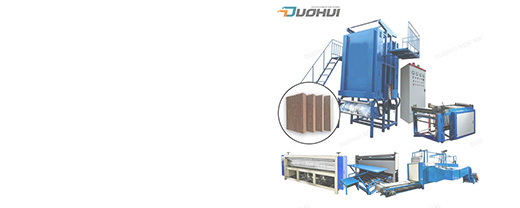
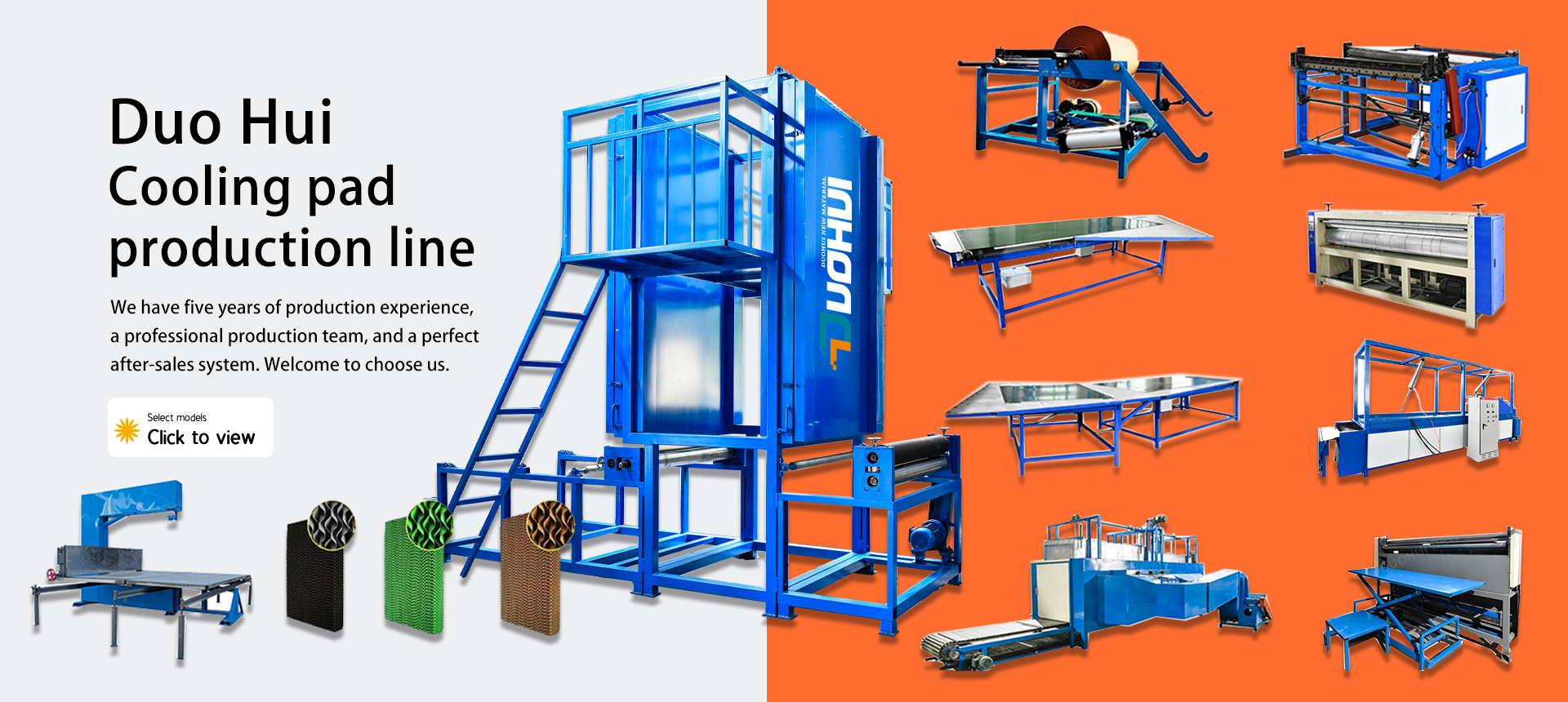
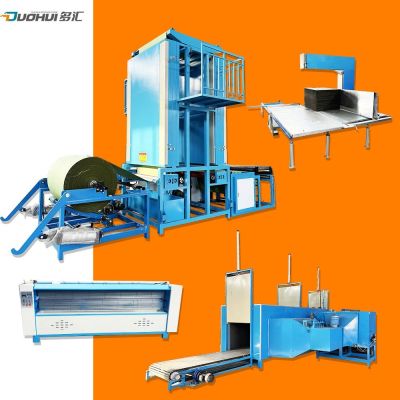
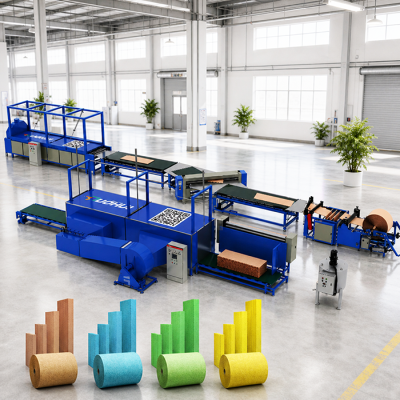
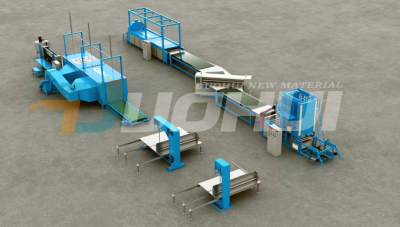
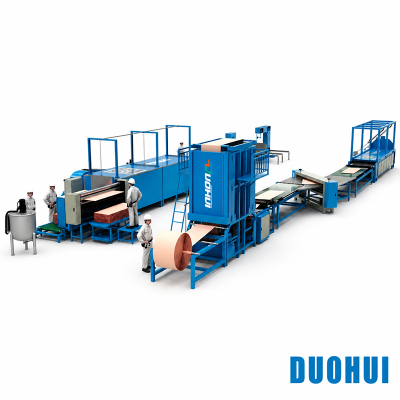
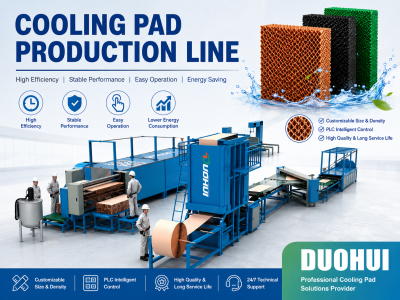
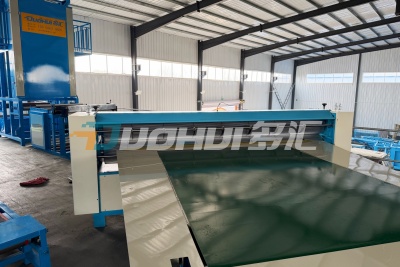
A cooling pad production line may include paper feeding, corrugation, adhesive application, lamination, curing, trimming, and other processing stages, depending on the production method.
When evaluating a cooling pad making machine, buyers should assess:
Production capacity and output consistency
Supported pad dimensions and flute configurations
Automation level and labor requirements
Adhesive application and curing systems
Energy consumption and maintenance needs
Installation, training, and spare-parts support
A suitable production line should match the planned product range, target output, available factory space, and investment budget.
For equipment suppliers, clearly explaining machine specifications and production capabilities can help customers determine whether the line meets their manufacturing goals.
9. Frequently Asked Questions
How long does an evaporative cooling pad last?
Service life varies according to material quality, water conditions, maintenance, operating hours, and environmental exposure. Regular inspection and correct water management can help extend its useful life.
What is the best evaporative cooling pad for poultry farms?
The right product depends on the poultry house dimensions, ventilation design, fan capacity, local humidity, and required cooling performance. Pad thickness and flute configuration should be selected as part of the complete ventilation system.
Can evaporative cooling pads be customized?
Many manufacturers offer customized dimensions and configurations. Buyers should confirm available options, minimum order quantities, and production lead times with the supplier.
Can I buy evaporative cooling pads in bulk?
Yes. Wholesale orders are common for distributors, importers, farm equipment suppliers, and ventilation contractors. Confirm product consistency, packaging, delivery schedules, and commercial terms before ordering.
How do I request an evaporative cooling pad quotation?
Provide the required dimensions, thickness, flute configuration, quantity, destination country, and application. If you are purchasing for a complete project, include relevant ventilation and installation requirements.
Conclusion
An evaporative cooling pad is an important component in cooling systems for poultry houses, greenhouses, livestock facilities, and industrial buildings.
For buyers, the best purchasing decision considers material quality, cooling performance, dimensions, durability, and total delivered cost. For distributors and wholesalers, a dependable evaporative cooling pad manufacturer can provide consistent supply, customization options, and technical support.
Businesses looking for bulk cooling pads, customized products, or cooling pad manufacturing equipment should clearly define their requirements and compare suppliers based on verified specifications and service capabilities.
Contact our team to discuss your evaporative cooling pad requirements, request product specifications, or obtain a quotation for your project.
Related News
More >-
![Focus on industry growth & automation]()
Focus on industry growth & automation
-
![Is Buying a Used Cooling Pad Production Line the Smartest Way to Reduce Your Production Costs?]()
Is Buying a Used Cooling Pad Production Line the Smartest Way to Reduce Your Production Costs?
As the global demand for evaporative cooling pads continues to grow, more manufacturers are looking for cost-effective ways to expand production. Instead of investing in brand-new machinery, many businesses are turning their attention to a used cooling pad production line. But is purchasing second-hand equipment really a smart investment?
-
![Thailand Customer Successfully Installs Cooling Pad Production Line and Produces High-Quality Cooling Pads]()
Thailand Customer Successfully Installs Cooling Pad Production Line and Produces High-Quality Cooling Pads
We are pleased to share another successful customer project. Recently, a Cooling Pad Production Line supplied by Weifang Duohui Intelligent Manufacturing Technology Co., Ltd. was successfully installed and commissioned at a customer's factory in Thailand.
-
![How Does a Cooling Pad Making Machine Work?]()
How Does a Cooling Pad Making Machine Work?
How Does a Cooling Pad Making Machine Work? Working Principle Explained
-
![What Is a Cooling Pad Production Line? How Does It Work and How to Choose the Right Machine?]()
What Is a Cooling Pad Production Line? How Does It Work and How to Choose the Right Machine?
-
![What Makes a Cooling Pad Production Line Essential for Modern Evaporative Cooling Manufacturing?]()
What Makes a Cooling Pad Production Line Essential for Modern Evaporative Cooling Manufacturing?
-
![FSC Certified Evaporative Cooling Pad Wet Curtain Paper & Cooling Pad Kraft Paper: Driving Sustainable Cooling Solutions in 2026]()
FSC Certified Evaporative Cooling Pad Wet Curtain Paper & Cooling Pad Kraft Paper: Driving Sustainable Cooling Solutions in 2026
-
![Philippine Customers Visit Our Factory to Inspect Cooling Pad Production Line and Discuss In-depth Cooperation]()
Philippine Customers Visit Our Factory to Inspect Cooling Pad Production Line and Discuss In-depth Cooperation
Philippine Customers Visit Our Factory to Inspect Cooling Pad Production Line and Discuss In-depth Cooperation
Get the latest price? We'll respond as soon as possible(within 12 hours)